
IoT hardware components are paving the way for a more connected world, transforming how we interact with technology in our daily lives. This exciting landscape is filled with various components that play crucial roles, from sensors and actuators to communication modules that ensure seamless connectivity. As we dive deeper into this topic, we’ll uncover the fascinating interplay between these elements and the emerging trends that will shape the IoT landscape in the coming years.
Understanding the essential functions of these hardware components is vital for anyone looking to grasp the full potential of the Internet of Things. From gathering data through sensors to executing actions via actuators, each component contributes uniquely to the overall system. Moreover, the integration with other technologies opens doors to numerous applications, making it a dynamic field worth exploring further.
IoT Hardware Components Overview
The Internet of Things (IoT) is revolutionizing the way we interact with the world around us, leveraging various hardware components to create a seamless flow of data and automation. Understanding these components is crucial for anyone looking to grasp the foundational aspects of IoT systems and their functionalities.Various hardware components play indispensable roles in an IoT ecosystem. These components can be broadly categorized into sensors, actuators, and communication modules, each serving distinct yet interconnected purposes.
Sensors are responsible for gathering data from the environment, actuators enable physical responses based on that data, and communication modules facilitate the exchange of information between devices and networks. Together, they form the backbone of any effective IoT application.
Sensors and Actuators
Sensors and actuators are essential elements of IoT systems, as they enable interaction with the physical world. Sensors collect data about environmental conditions, while actuators respond to that data by performing physical actions.
- Types of Sensors: Various types of sensors are designed to detect specific environmental factors, such as temperature sensors, humidity sensors, motion sensors, and light sensors. Each type serves a unique function, contributing to the overall data collection process.
- Function of Actuators: Actuators are devices that convert electrical signals into mechanical movement. For example, a motor may turn on or off based on a command from a sensor, controlling elements like lights, locks, or HVAC systems.
- Integration Example: In a smart home, a temperature sensor can trigger an actuator to adjust the thermostat, ensuring optimal comfort based on real-time data.
Communication Modules
Communication modules are pivotal in enabling IoT devices to connect and communicate with each other as well as with centralized systems. These modules facilitate data exchange over various networks, ensuring continuous connectivity.
- Wireless Communication: Technologies such as Wi-Fi, Bluetooth, Zigbee, and cellular networks are commonly used to connect IoT devices. Each technology has its strengths, including range, power consumption, and bandwidth.
- Role of Protocols: Protocols like MQTT and CoAP are often employed for data transmission, optimizing the communication process between devices and servers to ensure efficient data handling.
- Real-World Application: In agricultural IoT systems, sensors monitor soil moisture and communicate data via communication modules to a central server, which analyzes the information and sends commands to irrigation actuators as needed.
“The effectiveness of an IoT system is fundamentally dependent on the seamless integration and operation of its hardware components.”
Integration of IoT Hardware with Other Technologies
The integration of IoT hardware components with various technologies is crucial for creating a seamless ecosystem that enhances connectivity, efficiency, and user experience. This interplay facilitates effective data collection, processing, and communication across different platforms, allowing for smarter solutions in everyday applications.
Interaction with Web Hosting and Domain Names
IoT devices often require a robust web infrastructure for data transmission and management. They interact with web hosting services to store, retrieve, and process the data they generate. Each device typically connects to a specific domain name that serves as its unique identifier on the internet. This integration allows users to access the IoT device’s data remotely, using standard web protocols.
For instance, a smart thermostat might connect to a web server that hosts its configuration settings and historical data. By leveraging cloud-based web hosting, these devices can scale effectively, handling vast amounts of data without compromising performance. Additionally, domain names make it easier for users to locate their devices and access control interfaces through user-friendly URLs instead of complex IP addresses.
Relationship with Mobile Computing
The relationship between IoT devices and mobile computing is essential for enabling on-the-go access and control. Mobile devices act as gateways, allowing users to interact with IoT hardware through dedicated applications or web interfaces. This synergy enhances user experience, as it empowers individuals to manage their smart devices from anywhere.Mobile computing facilitates the real-time monitoring of IoT systems. For example, a mobile app for a home security camera allows users to receive alerts and view live feeds directly from their smartphones.
This integration increases convenience and responsiveness, as users can make informed decisions quickly based on the data received from their IoT devices.
Integration with Data Communication Technologies
IoT devices rely heavily on data communication technologies to transmit and receive information efficiently. These technologies include Wi-Fi, Bluetooth, Zigbee, and cellular networks, each playing distinct roles depending on the application requirements.The integration of IoT with these communication technologies allows for various capabilities:
- Wi-Fi: Ideal for devices that require high bandwidth, such as smart cameras, enabling smooth video streaming and large data transfers.
- Bluetooth: Best suited for short-range communication, often used in wearable devices for health monitoring.
- Zigbee: Utilized in home automation due to its low power consumption and mesh networking capabilities, enabling devices to communicate over longer distances.
- Cellular Networks: Provide wide-area networking, allowing devices to connect remotely without the need for local Wi-Fi, pivotal for applications like fleet tracking.
This diverse set of communication methods ensures that IoT devices can choose the most appropriate technology for their specific use case, optimizing performance and energy efficiency. The effective integration of these technologies leads to a more responsive and interconnected IoT environment, ultimately improving the overall quality of service for users.
Future Trends and Developments in IoT Hardware
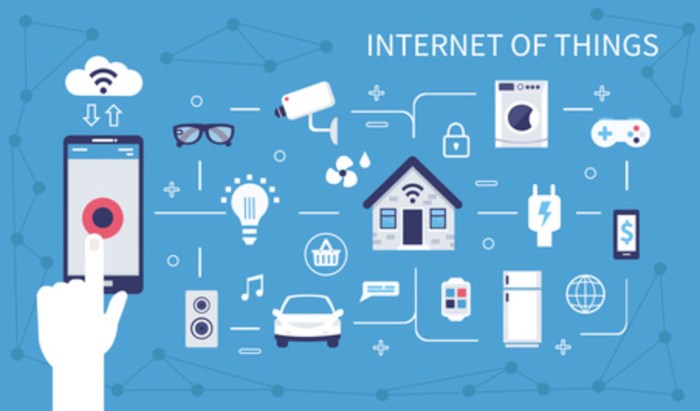
The landscape of IoT hardware is continuously evolving, driven by innovations that promise to reshape the way we interact with technology. As we venture into the future, it is essential to explore the emerging trends and developments that will define IoT hardware, examining their potential impacts on industries and everyday life.
Emerging IoT Hardware Innovations
Several groundbreaking innovations in IoT hardware are on the horizon, each with the potential to significantly enhance functionality, efficiency, and user experience. Key trends include:
- Edge Computing Devices: With the rising demand for real-time data processing, edge computing devices are becoming crucial. They facilitate data analysis closer to the point of generation, reducing latency and bandwidth usage. For instance, smart cameras equipped with edge AI can analyze footage in real-time, enhancing security and operational efficiency.
- Low-Power Wide Area Networks (LPWAN): Technologies like LoRaWAN and Sigfox are gaining traction, enabling long-range communication with minimal power consumption. This advancement is ideal for battery-operated devices, which can operate for years without needing a recharge, making IoT solutions more sustainable.
- Flexible and Wearable Sensors: The development of flexible electronics is paving the way for innovative wearable devices that can monitor health metrics and environmental conditions. This technology not only offers comfort but also opens new avenues in personal health and fitness tracking.
Comparison of Current and Future IoT Hardware Solutions
Current IoT hardware solutions often rely on traditional microcontrollers and communication protocols, which can limit scalability and efficiency. Future technologies, however, are expected to leverage advanced materials and architectures that enhance performance and integration capabilities. Notable differences include:
- Integration of AI and Machine Learning: Future IoT devices will incorporate embedded AI, allowing them to learn from data patterns and make autonomous decisions based on real-time analysis. This shift will enable smarter applications, such as predictive maintenance in industrial settings.
- Advanced Power Management: Future hardware innovations are focused on energy harvesting techniques, utilizing sources like solar power or kinetic energy. This development will reduce dependency on batteries and promote eco-friendly solutions.
- Enhanced Security Protocols: As IoT devices proliferate, so do security concerns. Future hardware will likely include built-in security features, such as hardware encryption and secure boot processes, making devices resilient against cyber threats.
Influence of Programming Advancements on IoT Hardware Development
Programming advancements play a critical role in the evolution of IoT hardware. The rise of high-level programming languages, frameworks, and development environments facilitates rapid prototyping and deployment of IoT solutions. Notable influences include:
- Improved Development Frameworks: Platforms such as Arduino and Raspberry Pi have made it easier for developers to create and test IoT applications. These frameworks support a wide range of sensors and modules, streamlining the development process.
- Adoption of Open-Source Software: The increasing popularity of open-source software is fostering collaboration and innovation within the IoT community. Developers can leverage shared resources to create more robust and adaptable hardware solutions.
- Enhanced Interoperability: Future programming advancements will focus on creating more standardized protocols, enabling different IoT devices to communicate seamlessly. This will enhance the integration of diverse hardware within smart environments, such as smart homes and cities.
Wrap-Up
In conclusion, IoT hardware components are not just a collection of devices but a foundational aspect of a rapidly advancing technology ecosystem. As we’ve discussed, the interplay between these components and their integration with other technologies is crucial for innovation. Looking ahead, the future trends suggest that the continued evolution of IoT hardware will bring about even more significant advancements, further enhancing our connectivity and efficiency in diverse sectors.
Quick FAQs
What are the main components of IoT hardware?
The main components include sensors, actuators, communication modules, and processing units that work together to collect, process, and transmit data.
How do sensors and actuators work in IoT?
Sensors gather data from the environment, while actuators take action based on that data, such as turning on a device or adjusting a temperature.
Why are communication modules important?
Communication modules enable IoT devices to connect and share data over networks, allowing for remote monitoring and control.
What role does software play in IoT hardware?
Software is crucial for programming IoT devices, enabling data processing, device management, and integrating with cloud services.
How will IoT hardware evolve in the future?
Future IoT hardware is expected to incorporate advanced technologies like AI and machine learning, enhancing capabilities and efficiency.


